At first, he hesitated, like he wasn’t sure he was allowed to accept it. Then he took it with both hands, almost reverently.
“Thank you,” he whispered.
I reached into my wallet and pulled out a hundred-dollar bill. It felt like the smallest thing I could do.
His eyes widened. “No… no, I can’t—”
“Please,” I insisted. “Just take it.”
For a moment, he just stared at it. Then at me.
And then, unexpectedly, his eyes filled with tears.
“People don’t usually see me,” he said.
“I see you,” I replied.
He nodded, unable to speak, clutching the food and the money like they were something fragile and sacred. When he walked away, it wasn’t any faster—but somehow, he stood a little straighter.
I didn’t think I’d see him again.
And I definitely didn’t expect what came next.
A few days later, I was heading home when I noticed a familiar sound—rustling, the clink of bottles. I turned the corner, expecting to see the old man.
Instead, I froze.
The two teenagers.
They were kneeling beside the same dumpster, their hands buried in trash bags, sorting through scraps. Their clothes were cleaner than his had been—but their shoes…
My stomach dropped.
Old. Worn. Tattered. Soles peeling away.
Just like his.
“What…?” I stepped closer, confused. “What are you doing?”
They looked up, startled. Gone were the smirks, the careless laughter. Their faces were flushed—not from amusement, but something closer to shame.
Before they could answer, a woman approached from behind me.
“I’m their mother,” she said gently.
Two more adults followed—neighbors I vaguely recognized.
“We saw the video,” one of them added.
My heart sank.
“They thought it was funny,” the mother continued, her voice calm but firm. “So we decided they needed to understand.”
She gestured toward the teens.
“For the past three days, they’ve been coming here after school. Sorting trash. Collecting bottles. Wearing donated clothes and shoes like his.”
The boys kept their heads down.
“At first, they complained,” the father said. “Said it was gross. Embarrassing.”
The mother nodded. “But yesterday… they came home quiet.”
One of the boys finally spoke, his voice barely above a whisper.
“People looked at us… like we didn’t exist.”
The other added, “Or like we were… nothing.”
Silence settled over us.
Then I noticed something else—a small pile nearby. Bottles neatly stacked. A bag of groceries. A collection jar with a few bills inside.
“We’ve been collecting from the neighbors,” the mother explained. “Food, money… whatever we can spare.”
“For the man,” one of the teens said quickly. “We… we want to help him.”
I swallowed the lump in my throat.
“Have you seen him?” I asked.
They nodded.
“We gave him food yesterday,” the first boy said. “He… he thanked us. Even smiled.”
The second boy wiped his hands on his worn jeans.
“He said we reminded him of his grandsons.”
That seemed to hit him harder than anything else.
No one spoke for a moment.
The lesson had already done its work.
Not through punishment. Not through shouting.
But through something far more powerful.
Understanding.
As I walked away that evening, I glanced back one last time. The boys were still there, working quietly, no phones, no laughter—just focus and something new in their expressions.
Respect.
Sometimes, words fall short.
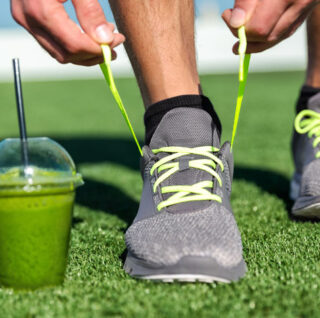
Sometimes, you have to walk in someone else’s shoes—literally—to understand the weight they carry.
And sometimes… that changes everything.